The Legacy of Bailey’s Pride
“Every photograph tells a story. Sometimes it’s not just about the animal in front of the lens, but the legacy they leave behind.”
This World Lion Day, I’m sharing one of my many photographs from Colchester Zoo. Although this image is of one of Bailey’s lionesses, it reminds me of a pride that introduced thousands of visitors to one of Africa’s most iconic predators.
Bailey arrived at Colchester Zoo in 2010 from Woburn Safari Park alongside his two related lionesses, Naja and Malika. Because they were closely related, they weren’t part of the European conservation breeding programme, but together they became ambassadors for their species. For many visitors, they were the first lions they had ever seen, creating a connection with a species facing an uncertain future in the wild.
As the years passed, both lionesses sadly died, leaving Bailey to spend his final years alone. Many people questioned why another lion wasn’t introduced, but animal welfare is rarely a simple decision. By then Bailey was an elderly lion, and introducing unfamiliar companions or moving him to another collection could have caused unnecessary stress. Instead, his keepers adapted his care to suit his age, providing regular health checks, enrichment, training sessions and close daily monitoring to ensure he remained comfortable and mentally stimulated. His favourite foods even changed over time, with muntjac deer becoming a particular favourite.
Looking back at photographs of Lion Rock, some people felt the enclosure appeared small compared with newer zoo habitats. In many ways, Bailey represented the end of an era. When Lion Rock was built, it reflected the standards and knowledge of the time. But good zoos never stand still. As our understanding of animal welfare grows, so does the way we care for the animals that live in our collections.
Colchester Zoo’s planned new lion habitat reflects that progress. Covering around 3,000 square metres, it will include rocky outcrops, mature planting, water features and a more natural environment designed to encourage a wider range of natural behaviours. The hope is that a future pride will not only thrive there but also contribute to the European conservation breeding programme, supporting the long-term future of African lions.
That matters because lions in the wild continue to face serious challenges. Habitat loss, conflict with people and declining prey have all contributed to a significant decline in their numbers. Conservation today is about protecting landscapes, supporting local communities, funding field projects and, where appropriate, maintaining healthy insurance populations through carefully managed breeding programmes in accredited zoos.
As a photographer, I hope my photographs do more than simply show beautiful animals. I hope they encourage people to pause, to ask questions and to appreciate the important role that modern zoos can play in conservation, education and animal welfare.
Bailey’s pride may no longer be with us, but their legacy lives on. Their story reminds us that conservation is always moving forward, always learning and always striving to do better for the animals we share our planet with.
Happy World Lion Day - 10 August.
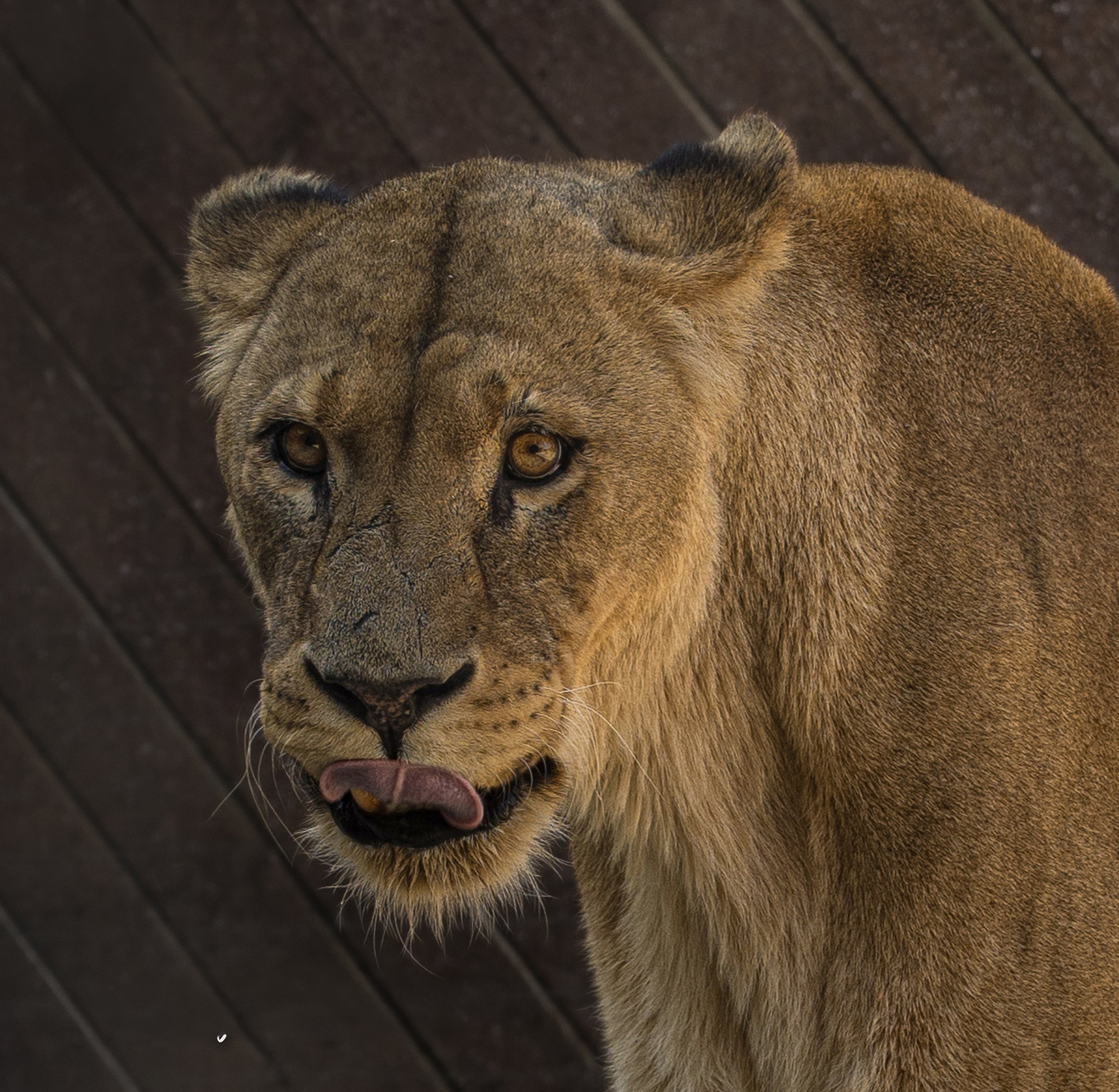
Naja one of the lionesses who shared Lion Rock with Bailey at Colchester Zoological Society. Together, they helped inspire countless visitors to care about the future of African lions.